|
Cost Segregation for Commercial & Short-Term Rental Owners
|
Request a free estimate hello@basispropertygroup.com |
ArticlesFREE Estimate Is there a first-year deduction sitting in your building? No cost, no obligation. Request Yours »TopicsBonus depreciation |
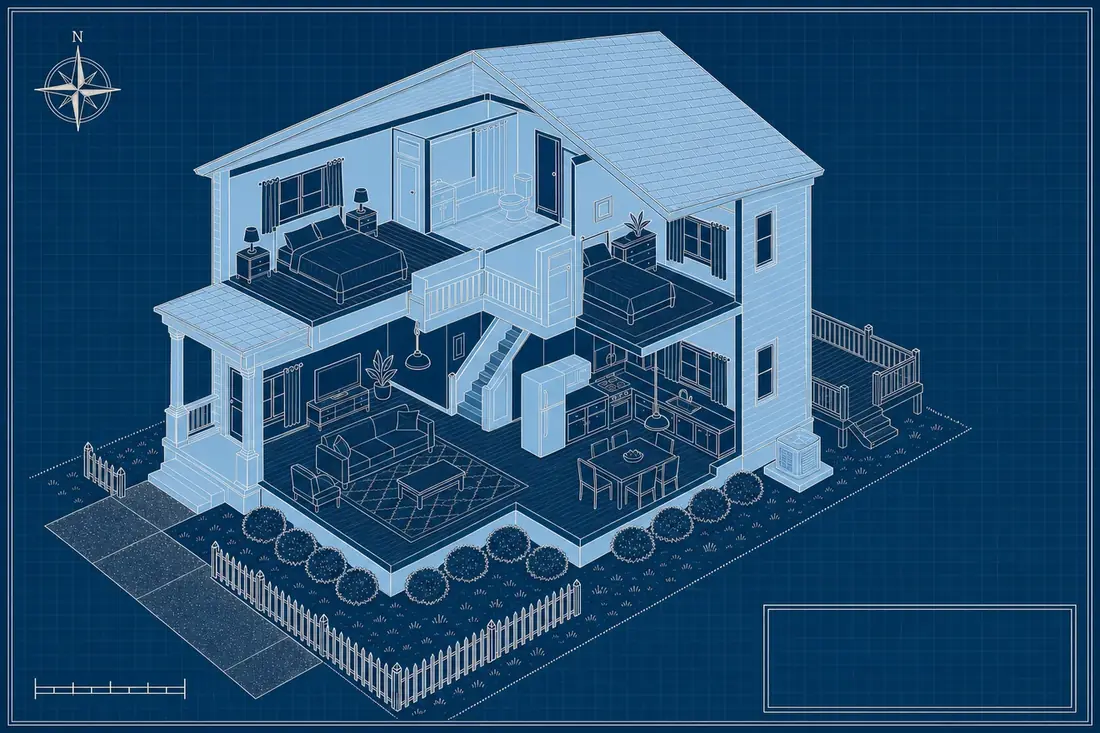
What Is Cost Segregation? A Commercial Owner's GuideMost commercial owners write off their building the slow way, one even slice a year for 39 years. Cost segregation is the engineering study that finds the parts of your building that wear out faster, moves them onto shorter depreciation schedules, and lets you take those deductions far sooner. Here is what it is, in plain English. What cost segregation isCost segregation is an engineering-based study that breaks a building's purchase or construction cost, what the tax code calls its basis, into individual components and assigns each component its correct IRS depreciation life. Instead of treating the whole property as one slow-depreciating asset, the study recognizes that a building is really a bundle of very different things: structural shell, carpeting, cabinetry, specialty electrical, parking lots, landscaping. Those parts do not last the same number of years, and the tax code does not require you to pretend they do. The result is a documented reallocation of basis that lets the faster-wearing components be depreciated over far shorter periods than the building itself. That timing shift is the entire point: the same total deduction, taken much sooner, is worth more because of the time value of money. How a building gets splitBy default, the IRS depreciates a commercial building straight-line over 39 years (residential rental property runs over 27.5 years). A cost segregation study leaves the structural shell on that long schedule but pulls eligible components into three shorter categories:
One rule sits above all of this: land is never depreciable. The study carves land out first, then works only with the depreciable building basis. How much moves into the shorter buckets depends on the property type. In the four commercial benchmark runs and the one delivered study published on this site, first-year deductions ran 16 to 21 percent of building basis. 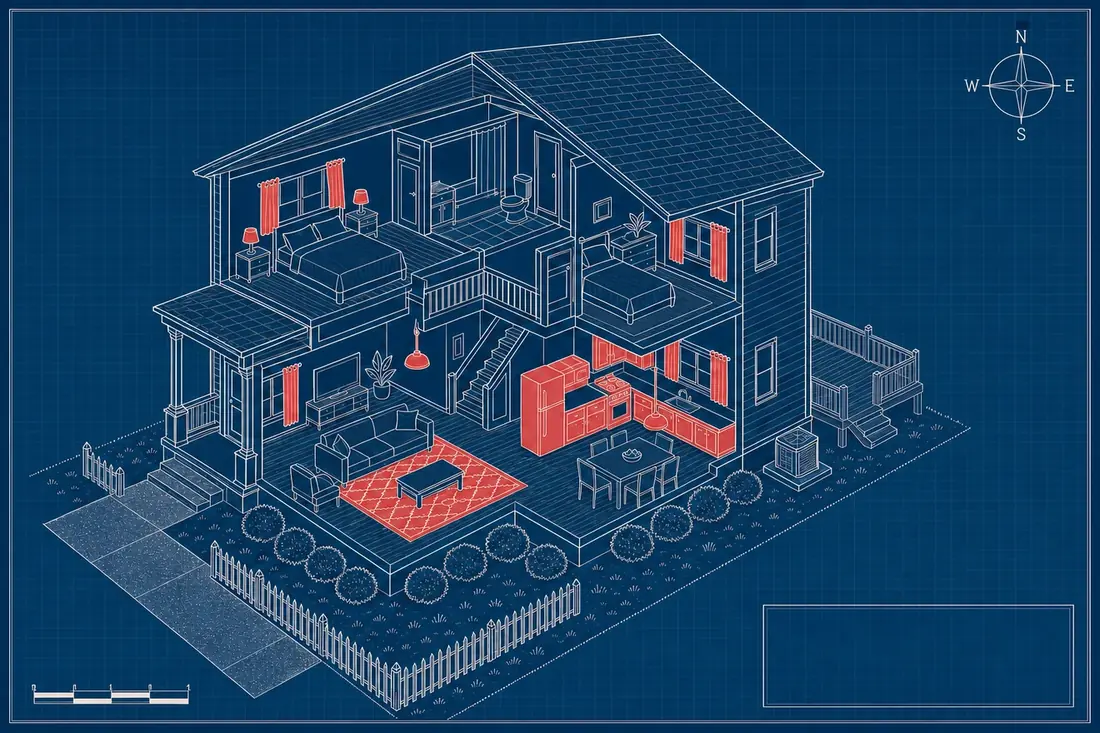
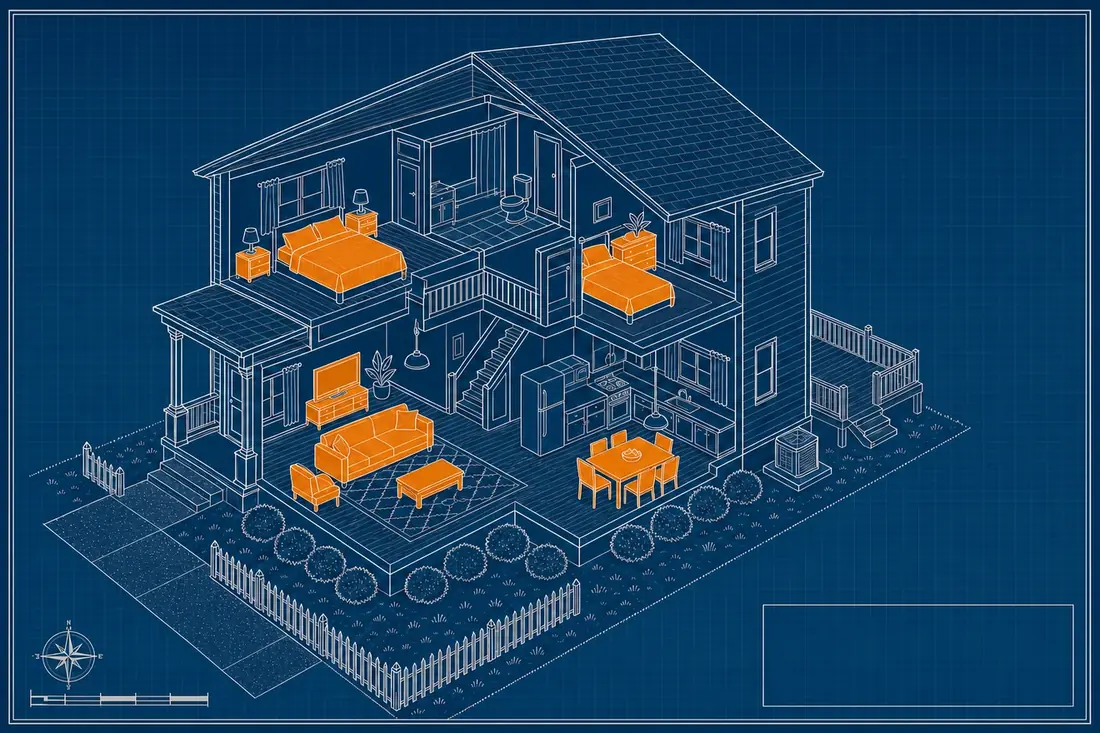
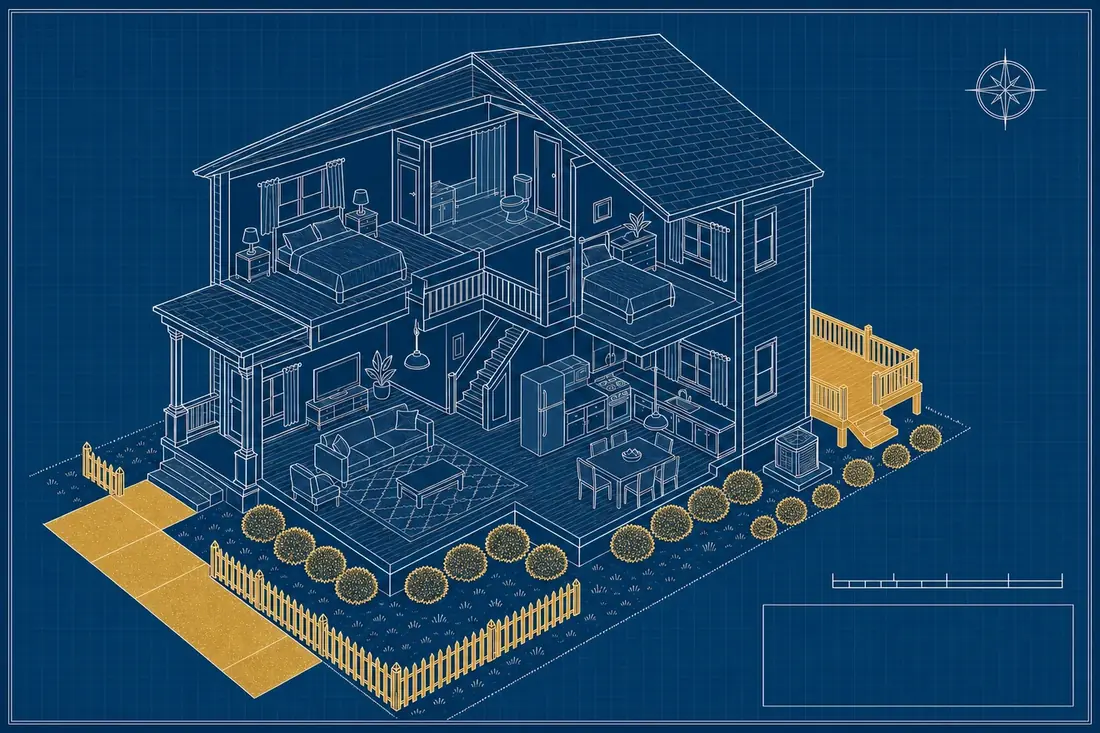
5-Year: carpet and flooring, cabinets, appliances, light fixtures, curtains 7-Year: furniture 15-Year: driveway, fencing, landscaping, deck 27.5/39-Year Shell: roof, load-bearing walls, foundation, central HVAC Why it matters nowTiming is what makes cost segregation valuable, and current law amplifies that timing. Property with a recovery period of 20 years or less qualifies for bonus depreciation, and the 5, 7, and 15-year components a study identifies all fall under that ceiling. The 39-year shell does not, which is exactly why the split matters. This pairs directly with the One Big Beautiful Bill Act of 2025, which made 100% bonus depreciation permanent for qualifying property acquired and placed in service after January 19, 2025. In practice, that means the shorter-life components a study uncovers can often be deducted in full in the first year rather than spread across decades. Cost segregation is the mechanism that exposes those components in the first place. A simple examplePicture a building with $1,500,000 of depreciable basis (land already excluded). A study reclassifies roughly 28 percent of it, about $420,000, into shorter-life property: 5-year fixtures and equipment, 7-year furnishings, and 15-year site improvements. The remaining basis stays on the 39-year schedule. Under current bonus depreciation rules, much of that $420,000 can be deducted up front instead of over 39 years. These numbers are illustrative; your actual result depends on your property and an engineered study. Who it is forCost segregation is built for owners of commercial and investment real estate: multifamily, retail, office, industrial, hospitality, medical, and similar properties held to produce income. As a rough screen, a study tends to make sense when building basis is somewhere above $300,000, because the benefit has to clear the cost of the study itself. The more a property has been built out or improved, the more there typically is to reclassify. What it is notThe method traces to the IRS loss in Hospital Corporation of America v. Commissioner, 109 T.C. 21 (1997), and the IRS itself publishes a Cost Segregation Audit Techniques Guide describing how a proper study should be performed. It is not a do-it-yourself exercise. A credible study is an engineering analysis, not a spreadsheet estimate, and it produces documentation built to the Audit Techniques Guide framework. And it is not a replacement for your CPA. The study supplies the component detail; your CPA files your return using it. What to do nextYou do not have to commit to anything to find out whether a study is worth it. The first step is simply to see what a study would look for in your specific building, before you spend a dollar. Get your free Preliminary Benefit Estimate Tell us the address. We model your building's likely year-one acceleration, no cost and no obligation. Request Your Free Estimate »Frequently asked questionsWhat's the difference between 5, 7, 15, and 39-year property? They are IRS depreciation lives. A commercial building shell is depreciated straight-line over 39 years. A study reclassifies faster-wearing parts into shorter lives: 5-year for items like carpet, certain fixtures, and equipment; 7-year for furnishings; and 15-year for site and land improvements such as paving, landscaping, and exterior lighting. How much of my building can be reclassified? It depends on the property type. In the studies and benchmark runs published on this site, 15 to 21 percent of building basis moved into shorter-life property. Heavily improved properties such as restaurants and hotels tend to fall at the higher end. Land is never depreciable and is excluded entirely. Is cost segregation IRS-approved? The approach traces to the IRS loss in Hospital Corporation of America v. Commissioner, 109 T.C. 21 (1997), and the IRS publishes a Cost Segregation Audit Techniques Guide that describes how a proper engineering-based study should be conducted and documented. Do I need a study if I already have a CPA? Usually yes. A cost segregation study is an engineering analysis that most CPAs do not perform in-house. The study produces the component detail and supporting documentation; your CPA then uses it to file your depreciation. The two work together. Sources
» IRS Cost Segregation Audit Techniques Guide, irs.gov Basis Property Group provides cost segregation studies. It is not a certified public accounting firm or a law firm, and nothing in this article constitutes tax, legal, or accounting advice. Tax outcomes depend on an engineered study and on your individual circumstances, and are determined by you and your tax advisor.
|